
We built the school we wished existed when we started
Masters Touch Academy came out of a restoration company, not a classroom. Master-level certification and committee work, turned into a curriculum.
We built the school we wished existed when we started
Masters Touch Academy came out of a restoration company, not a classroom. The training we could find taught the test and skipped the job: what to do when the moisture readings don’t move, when the adjuster pushes back, when the homeowner is standing in the doorway.
So we wrote the curriculum we needed: the mistakes that cost us money, the documentation habits that stopped them happening twice, and the standards work that shaped how the trade certifies people.
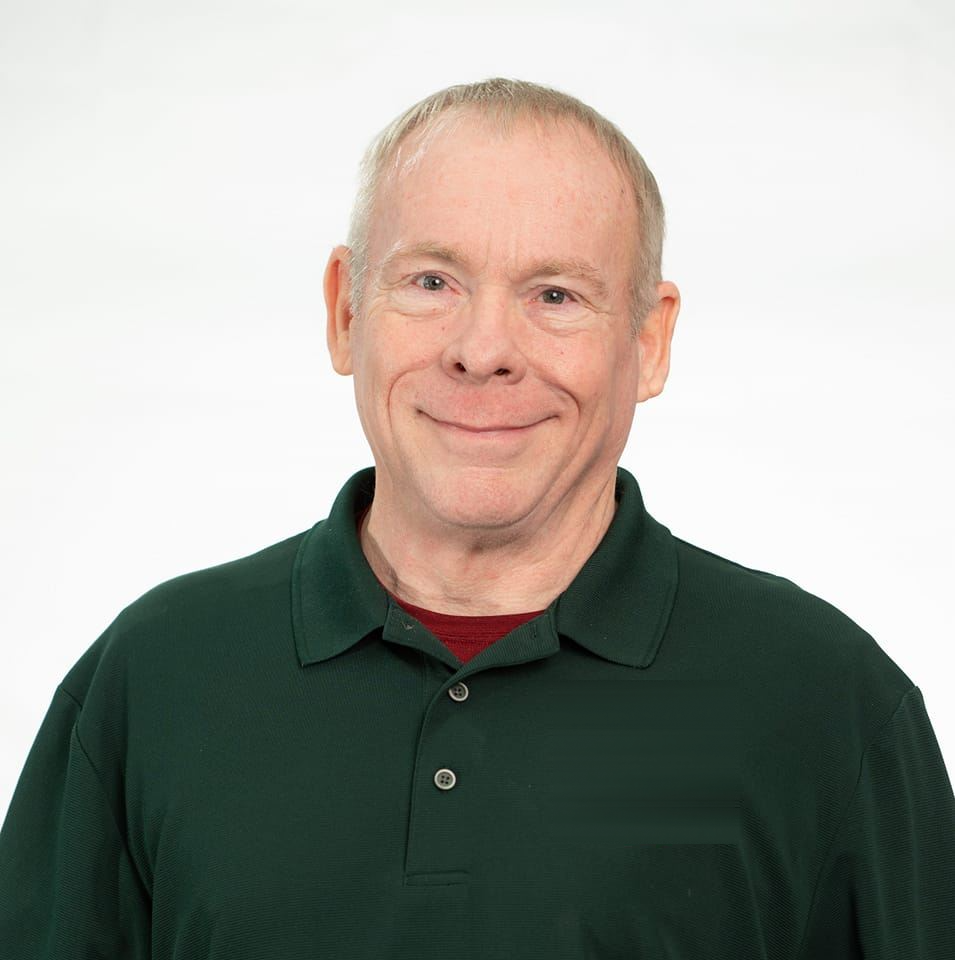 Thomas Cermak
Founder
Thomas Cermak
Founder
“A perfect dry-out you cannot prove is a loss. That one sentence is most of what I wish somebody had told me starting out.”
What stands behind the curriculum
IICRC Master Fire & Smoke Restorer.
IICRC Master Water Restorer.
IICRC Master Textile Cleaner.
RRT technical advisory committee, plus vice-chair of CCT and subject matter expert on OCT and UFT.
IICRC (Institute of Inspection, Cleaning and Restoration Certification) approved continuing education provider.
Certified Carpet Inspector (#1781) and Certified Concrete Moisture Tester.
How we teach
Four rules the curriculum is built on. They decide what goes in a course and what gets cut.
Teach the standard and the exception
When the written standard and the reality on a loss disagree, we teach both and tell you which one the adjuster will accept.
Documentation is part of the trade
A perfect dry-out you cannot prove is a loss. Documentation runs through every course rather than sitting in an appendix nobody reads.
Hands beat slides
Certification theory is online where you can rewatch it. Class time goes to equipment, chambers, and problems you cannot simulate on a screen.
Nobody learns this alone
The forum is not a marketing feature. Most of what a technician learns in year two comes from someone else who saw it in year five.
Cleveland, Ohio
A dedicated classroom and a lab with live drying and remediation equipment. Certification classes run monthly, and most have a hybrid seat if you cannot travel.
See the class schedule